By Giuliana Basco —
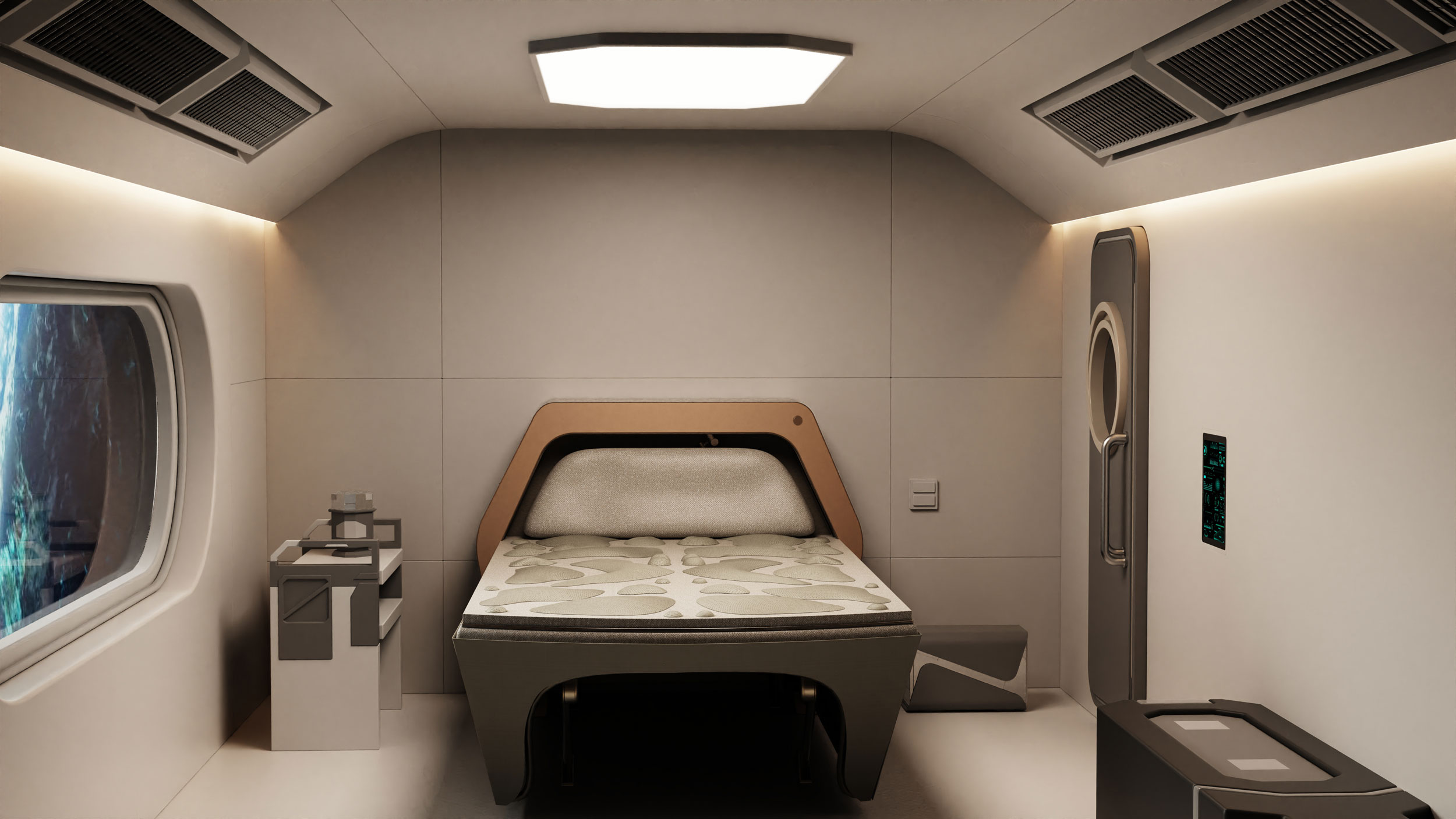
This project envisions an advanced scientific laboratory designed to operate in the extreme environment of Mars, supporting research in chemistry and biology under challenging conditions. The infrastructure is conceived to withstand the planet’s hostile climate — marked by extremely low temperatures, thin atmospheric pressure, ionizing radiation, and the scarcity of vital resources such as water and oxygen.
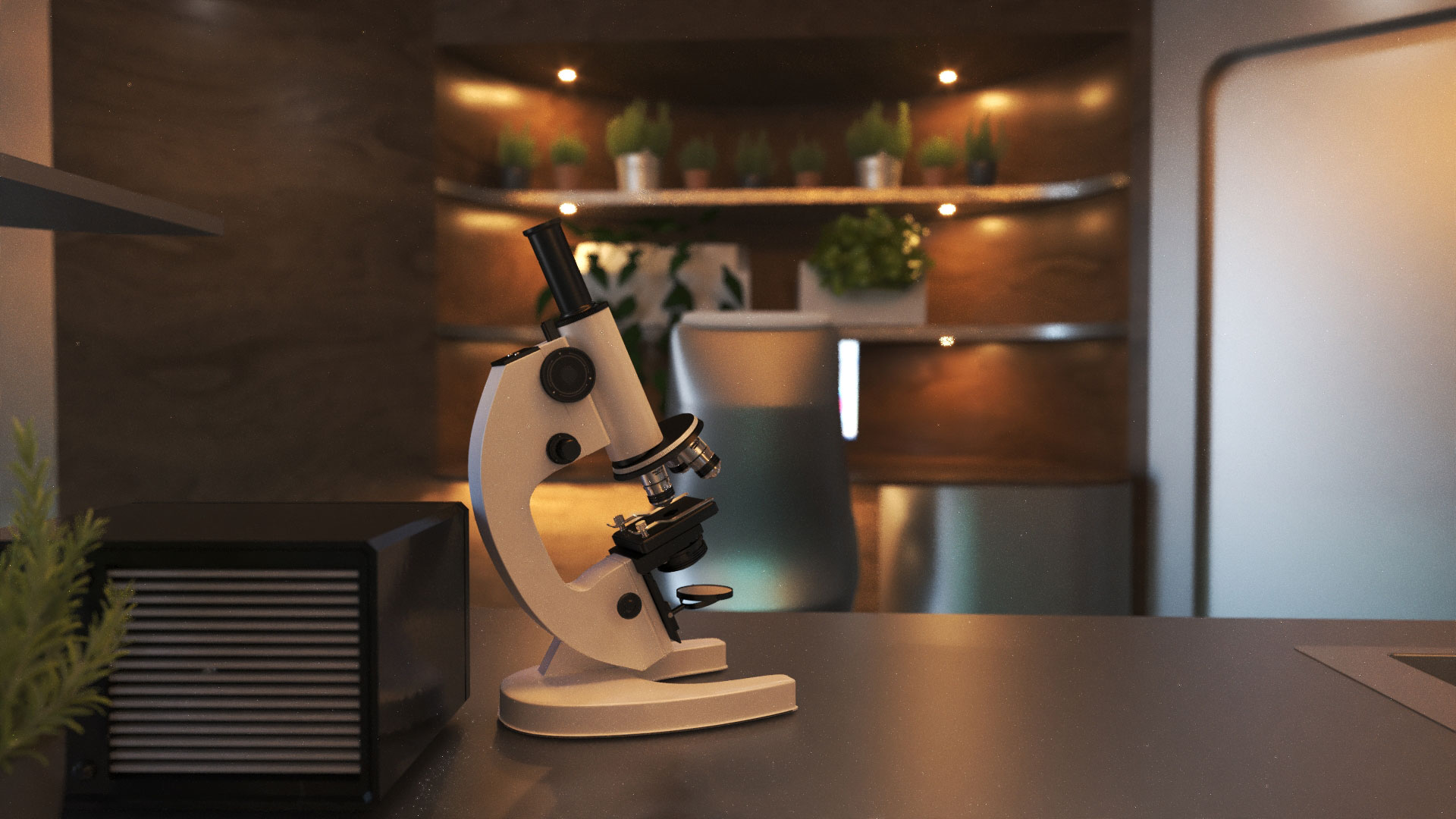
The laboratory is composed of pressurized, connectable modules, capable of operating autonomously through integrated systems for energy production, waste management, water recycling, and environmental control. Its main activities include the chemical analysis of Martian soil and rocks to identify organic compounds and useful minerals, the study of atmospheric composition, the search for microbial life (both extant and fossil), and biological experiments on terrestrial microorganisms to evaluate survival and adaptability on Mars.

In addition, the facility is designed for in-situ chemical synthesis, such as oxygen production via water electrolysis and the generation of fuel from atmospheric CO₂ — crucial steps toward the long-term self-sufficiency of human missions. Dedicated sections also support controlled plant cultivation, investigating the feasibility of sustainable Martian agriculture.
Scalable and integrable with other structures, the laboratory represents a concrete step toward establishing a stable, productive, and scientifically active human presence on Mars.